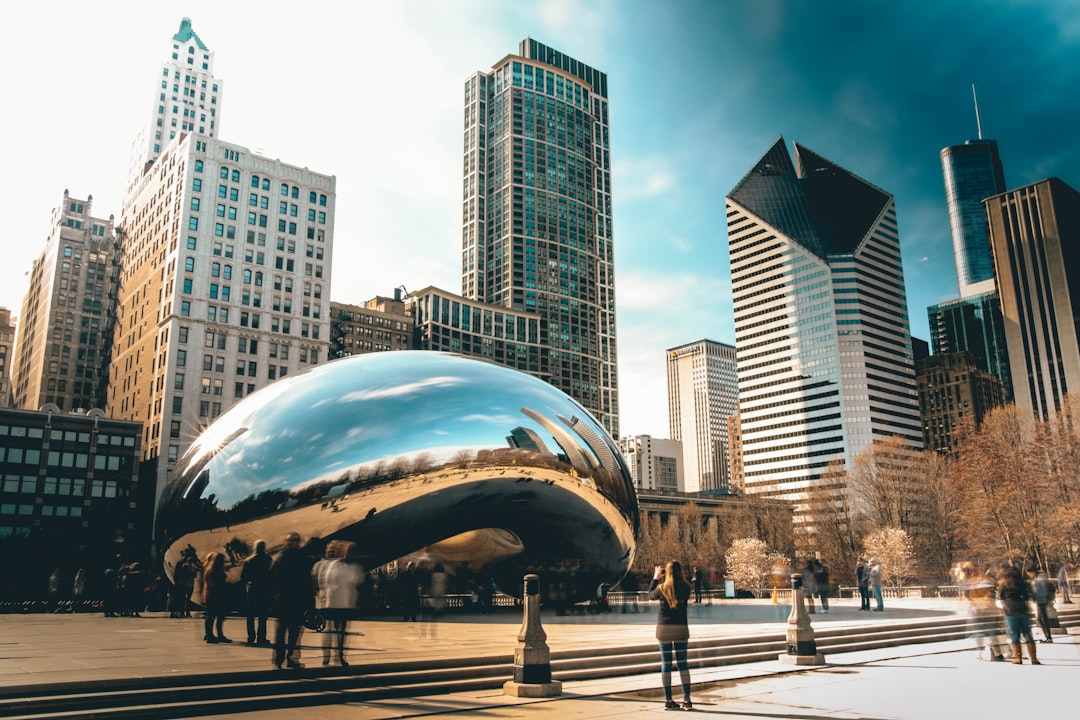
Robocall regulations in Illinois, particularly Chicago, are strictly enforced by the ICC to protect consumers. Class-action lawsuits highlight the importance of compliance for businesses using autodialing systems. Specialized autodialer lawyers Chicago navigate complex TCPA cases, ensuring consumer rights against intrusive automated calls. This dynamic legal environment safeguards residents and fosters fair communication practices.
“In today’s digital age, robocalls have become a ubiquitous yet unwanted nuisance. Illinois residents, like many across the country, are increasingly affected by automated telephone marketing. This article delves into the world of class action lawsuits related to robocalls in Illinois cities, specifically focusing on Chicago’s legal landscape. We explore the role of autodialer technology, navigate complexities through case studies, and provide strategies for victims seeking justice and compensation from these intrusive practices with the aid of autodialer lawyers Chicago.”
Understanding Robocall Laws and Regulations in Illinois
In Illinois, including major cities like Chicago, understanding and adhering to regulations surrounding robocalls is paramount. The Illinois Commerce Commission (ICC) oversees communication practices, ensuring consumer protection against unwanted automated calls. State laws prohibit robocalling unless the caller obtains prior explicit consent from the recipient, making it a critical aspect for businesses and autodialer lawyers to navigate.
Chicago, as a bustling metropolis, has seen numerous class-action lawsuits related to robocalls, underscoring the importance of compliance. Companies using automated dialing systems must adhere to strict guidelines, including providing an opt-out mechanism during each call. Violations can lead to substantial penalties and legal repercussions, making it crucial for autodialer lawyers in Chicago to guide businesses through this complex landscape.
The Role of Autodialer Technology in Class Actions
In the context of class action lawsuits related to robocalls, autodialer technology plays a pivotal role. This innovative yet controversial tool is used by many businesses and telemarketers to automate and scale their calling campaigns, making it easier to contact a large number of consumers simultaneously. However, its misuse can lead to unwanted or fraudulent calls, triggering legal action. Chicago’s robust legal landscape has seen numerous cases where autodialer technology has been at the heart of these disputes, with consumers seeking redress for violation of their privacy and communication rights.
Autodialer lawyers in Chicago specialize in navigating these complex scenarios, ensuring that businesses adhere to regulations such as the Telephone Consumer Protection Act (TCPA). They help plaintiffs and defendants alike understand their legal standing in cases involving autodialers, providing strategic guidance and representation. Through these efforts, they contribute to a fair and transparent communication environment, protecting consumers from abusive practices while allowing legitimate marketing and informational calls.
Chicago's Legal Landscape: Fighting Unwanted Calls

Chicago, a bustling metropolis known for its vibrant legal landscape, has seen an uptick in class action lawsuits related to robocalls. With a population exceeding 2.7 million people, the city is home to diverse communities that often fall victim to unwanted telephone marketing calls from autodialers. These automated systems, while efficient for businesses, can be a nuisance and even a violation of privacy for residents.
Chicago’s legal community has been proactive in addressing this issue, with numerous autodialer lawyers specializing in consumer protection laws. They navigate the intricate regulatory environment to ensure that individuals’ rights are upheld. By collectively taking on these cases, they aim to send a clear message to businesses: unauthorized automated calls will not be tolerated, and those affected have a powerful ally in Chicago’s legal sector.
Navigating Complexities: Case Studies Across Cities
Navigating the complexities of class action lawsuits related to robocalls involves understanding unique challenges and strategies across various Illinois cities. Each metropolitan area, like Chicago, presents distinct legal landscapes due to variations in consumer protection laws, local regulations, and public awareness. For instance, Chicago’s robust legal community offers a plethora of autodialer lawyers specializing in these cases, providing residents with robust representation. However, navigating the intricacies of state and federal regulations can be complex, especially when dealing with cross-border issues where callers target multiple cities or states.
Case studies from across Illinois reveal nuanced approaches to addressing robocall nuisance. Cities like Springfield and Peoria have seen successful settlements where businesses agreed to implement stricter anti-robocall measures and pay substantial fines. In contrast, the legal battle in Chicago often involves more intricate defenses due to the city’s stringent consumer protection laws. This includes scrutinizing the legality of call recipients’ consent and challenging the validity of robocalling practices under Illinois’ strict privacy statutes. Such variations highlight the need for adept legal strategies tailored to each urban center, ensuring residents receive fair representation and outcomes in class action lawsuits against robocallers.
Strategies for Victims: Seeking Justice and Compensation
For those who have fallen victim to robocalls in Illinois, there is hope for justice and compensation. The first step is to gather evidence, such as call logs and any recorded messages, which can be crucial in building a strong case. Many victims may feel intimidated by the legal process, but it’s important to remember that experienced autodialer lawyers in Chicago specialize in these matters. They can guide individuals through the complexities of class action lawsuits, ensuring their rights are protected.
Victims should not hesitate to reach out to legal professionals who have a deep understanding of consumer protection laws and robocall regulations. These attorneys will work tirelessly to connect affected individuals, organize their claims, and negotiate with companies responsible for the intrusive calls. By banding together, victims can increase their chances of recovering damages and holding wrongdoers accountable.